![[NB] Creative Futures CIC](http://images.squarespace-cdn.com/content/v1/68c276df7928f778938222f2/98488c41-8030-41a8-b1b4-ee4c899d7119/NBCF+BRAND+MASTER+copy-16.png?format=1500w)
The Last Dive of Peggy Gadsby
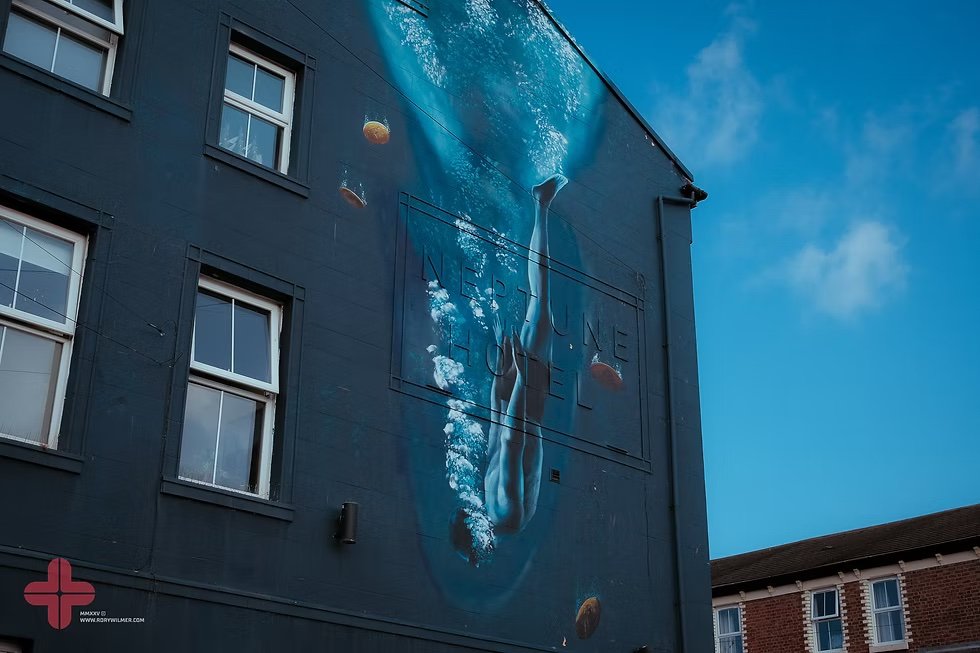
“Peggy Gadsby”
Art by Brezaux in 2019
Commission by Rockpoint Leisure
Located at New Brighton Hotel
Before the murals, before the cafés, before anyone talked about regeneration or culture bids, New Brighton was a spectacle. Not metaphorically. Literally.
By the late nineteenth and early twentieth century, this stretch of coast was one of the North’s great seaside stages. Steamers arrived packed with day-trippers from Liverpool. The promenade filled with noise, brass bands, hawkers, children, and the low constant churn of the tide against iron and timber. And out on the pier, beyond the polite entertainments and postcard views, there was always something a little more dangerous drawing a crowd.
A man would climb. Slowly. Deliberately. One leg pulling him up rung by rung while the other, wooden and unyielding, followed behind. There was no rush to it. The climb was part of the performance.
People gathered because they knew what came next. Frank Calladine Gadsby. “Peggy” to everyone who had ever seen him. A diver. A showman. A man who turned survival into spectacle.
Peggy the daredevil diver
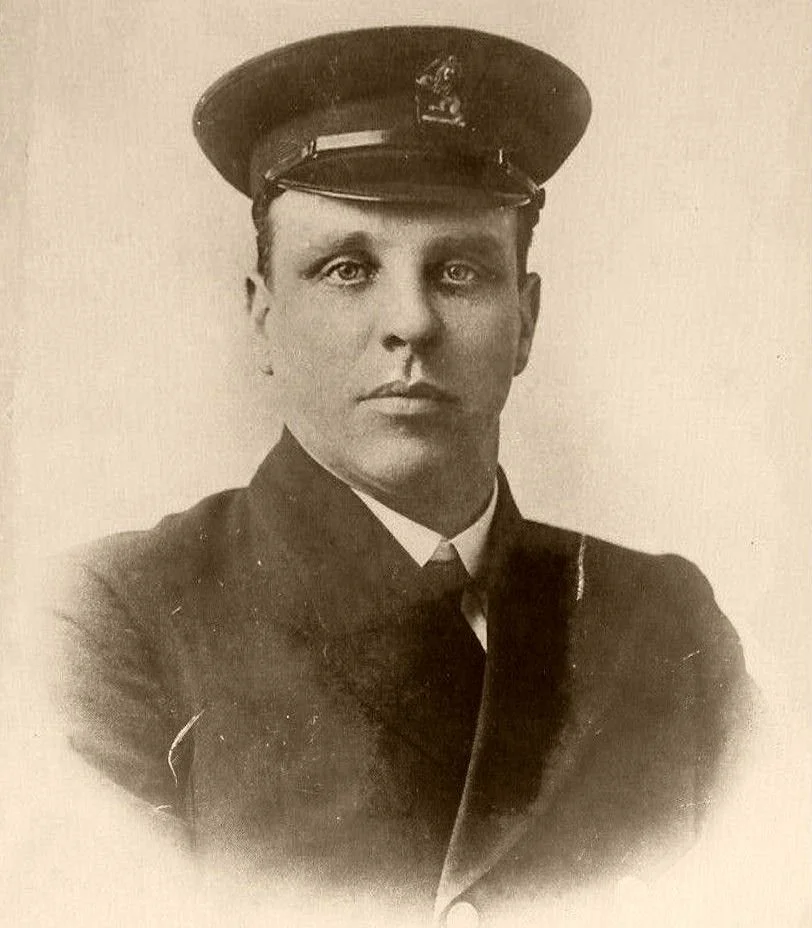
Gadsby as featured on a British postcard
Gadsby was not born into this life.
He was born in Nottingham in 1881, into a working family, at a time when the industrial Midlands offered very little room for deviation. At four years old, after an accident, his leg was amputated. For most, that would have been the end of any physical ambition. For him, it became the beginning.
He learned to swim as a boy, trained by Professor Touhy, a teacher of some renown who also instructed King George V. By his twenties, Gadsby was already pushing beyond swimming into something more precarious. Competitive races, long-distance swims, feats that tested endurance. But endurance alone did not pay.
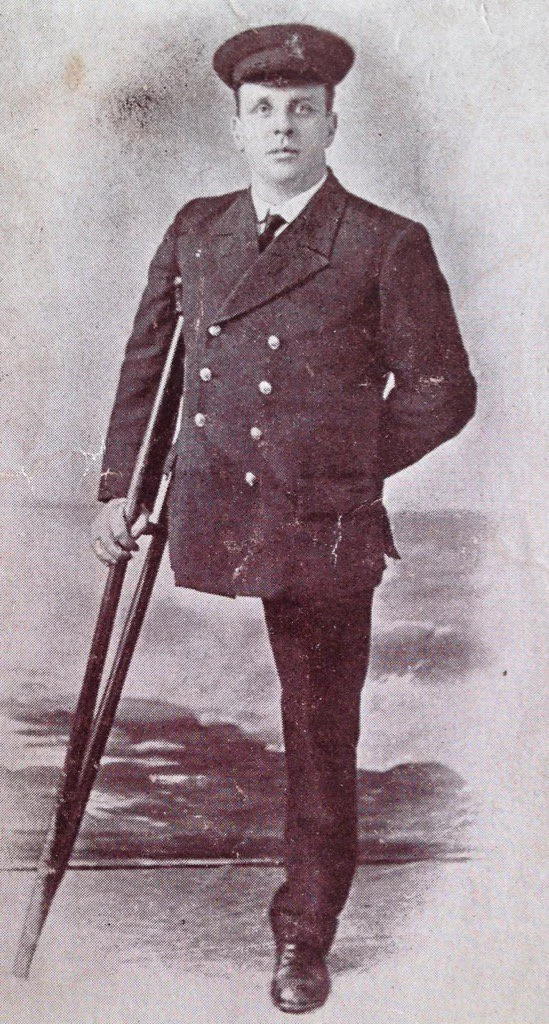
So he turned to risk. By the early 1910s, he was diving for a living. Not in controlled conditions, but wherever there was water and a crowd willing to watch. Piers. Seaside resorts. Exhibition grounds. If there was height and there was danger, Gadsby would climb it.
And then he added fire. And then aircraft. And then anything else that would hold attention long enough for coins to be thrown.
The perfect stage
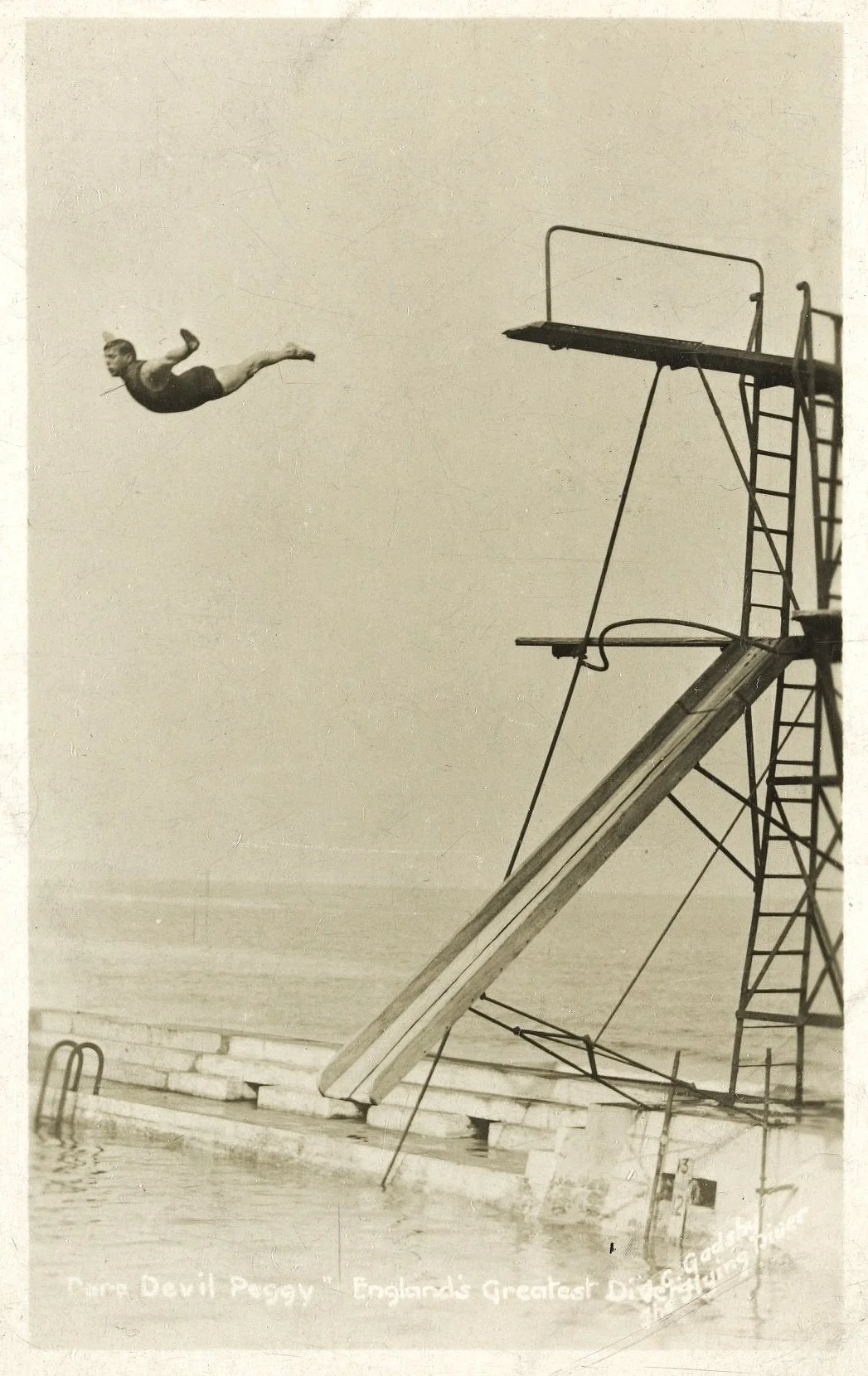
Gadsby diving from a pool diving board, October 1927
New Brighton was the perfect stage for a man like that. A resort town built on arrival and departure. Ferries, steamers, the constant movement of people in and out. The pier reaching into the Mersey like a promise. And with that came the appetite for spectacle. Not the refined kind. Something more immediate. Something you could feel in your chest.
Gadsby understood that instinctively. “Don’t forget the diver, sir.”
It wasn’t a line. It was a transaction. Coins would arc through the air, catching the light for a moment before disappearing into the water below. And then he would go after them. Again. And again. And again. Every penny made the water warmer. That was the point.
This wasn’t theatre for theatre’s sake. His income depended on the crowd, on the weather, on whether people felt generous enough to throw something worth retrieving. Some days he might take in five pounds. Others, a handful of shillings. Enough to keep climbing.
He became known far beyond New Brighton.
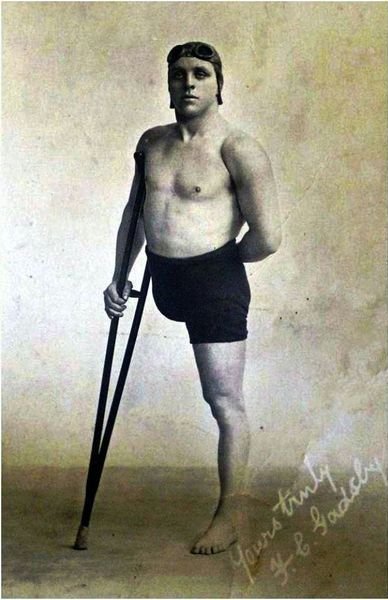
He beat established swimmers in front of royalty. Performed dives from burning platforms. Jumped from aircraft into open water when aviation itself was still a novelty. Worked in early films, part of that first wave of stunt performers who blurred the line between sport and spectacle.
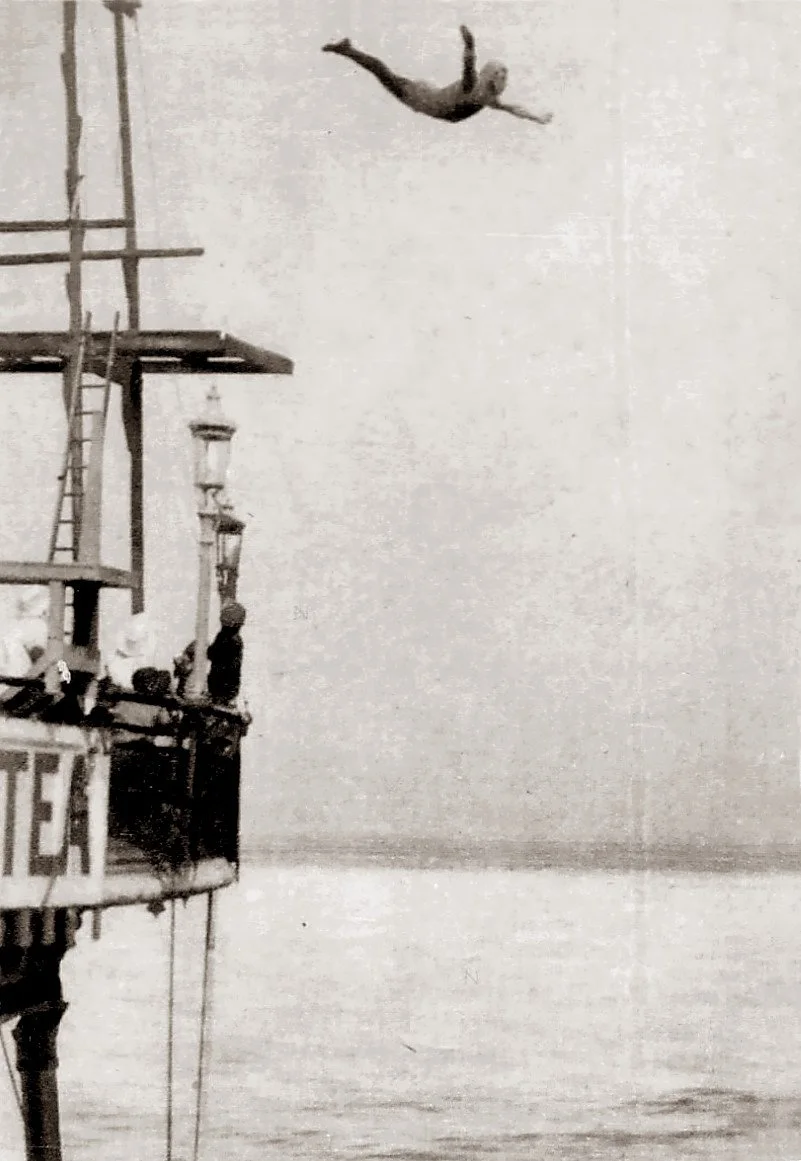
Gadsby jumping from an aeroplane into the River Mersey
At one point, he toured with a troupe called “Dare Devil Peggy’s Water Circus.” The name alone tells you everything about the appetite of the time. He was, depending on who you asked, the greatest high diver in the world. Or a man living precariously from one performance to the next.Both were true.
The wall behind him
The mural
And yet, for all of that, it is here, on this wall in New Brighton, that he feels most at home. The mural does not show the crowds. Or the noise. Or the machinery of the pier that once framed his dives. It captures the moment that mattered. The fall.
The instant where everything pauses. Where risk and control sit in the same breath. Where a man with one leg, who should never have been able to do any of this, commits fully to the act. Coins suspended around him. The sea waiting. The building behind him has watched all of this before.
Built in 1820, long before the resort reached its peak, the New Brighton Hotel stood at the centre of a town still becoming itself. It changed names as the town changed fortunes. The Neptune. Peggy Gadfly’s. Lacys. Each era leaving a mark.
At one point, his name was on the building itself. Now it carries its original name again, but the connection remains. Not as branding. As memory. What this mural does, quietly but firmly, is close a gap. Because you cannot tell the story of New Brighton without acknowledging what has been lost. The pier is gone. The ferry no longer calls as it once did. And with them went the infrastructure that made this place more than a destination. It made it an experience.
Gadsby’s story only works in a place that understood spectacle. That invested in it. That built for it. So when you stand there now, looking up at that wall, the question isn’t abstract. If this is what we were, why did we stop? And if it worked once, why wouldn’t it work again? Rebuild the pier. Bring the ferry back.
Not as heritage projects. As economic decisions. As statements of intent. There is a tendency to talk about culture here as if it is something new. It isn’t. What is new is the way it is being made visible again.
The OpenAIR Gallery has grown across the Victoria Quarter not as a curated installation, but as a lived accumulation. Artists from here, from across the UK, from further afield. Walls given over to stories that already existed, waiting for a surface.
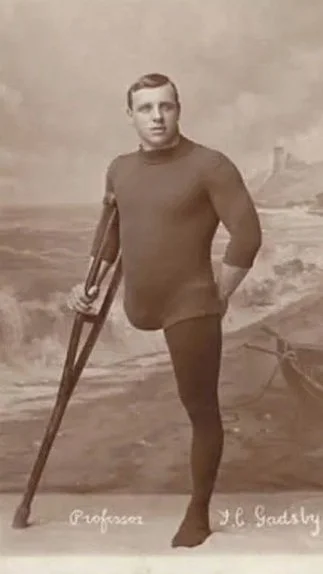
The Peggy Gadsby mural is one of the clearest expressions of that. It does not import culture. It reveals it.
It reminds you that this town has always been built on people willing to do something slightly improbable, slightly risky, slightly outside the expected. Sometimes that looks like a man climbing a ladder with one leg. Sometimes it looks like a community deciding that its walls should speak again.
The New Brighton Hotel
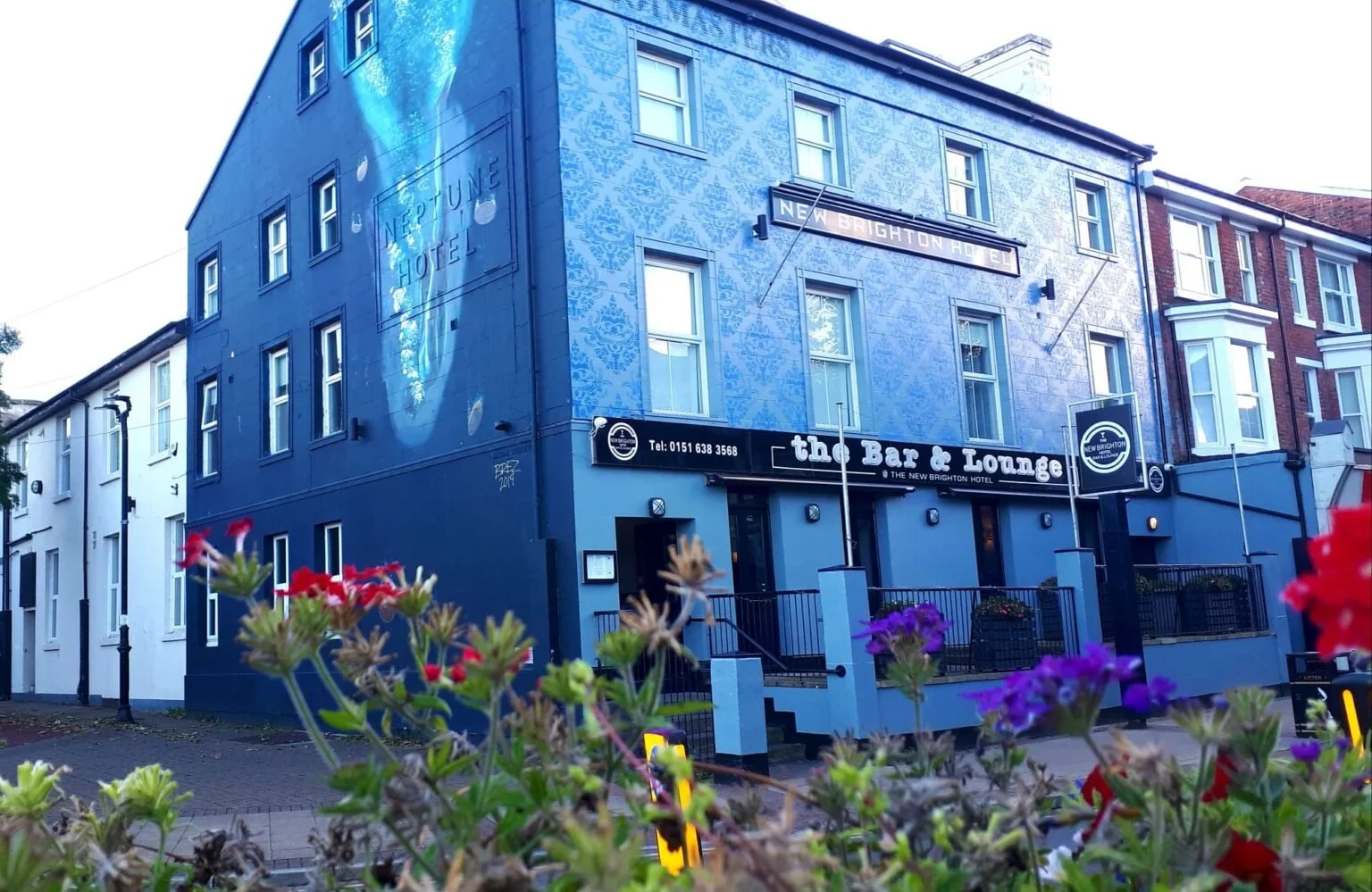
Inside, the New Brighton Hotel continues its own version of that continuity.
Sixteen rooms. A bar that fills and empties with the rhythm of the week. Food that draws people in and keeps them there longer than they planned. Conversations that start locally and drift wider as the night goes on. Nothing performative about it. Just a building doing what it has done for nearly two centuries. Holding people. Hosting stories.
Gadsby carried on diving into his seventies.
“The hardest part is climbing up,” he once said. “I can come down alright.”
It’s a line that sits differently when you stand in New Brighton now. Because the climb is the hard part again. Rebuilding. Reconnecting. Making the case that this place is not finished. The mural doesn’t solve that. But it does something more useful. It reminds you that this town has done difficult things before. And that somewhere between the pier, the ferry, and a man who refused to stop climbing, there is a version of New Brighton that still makes sense.
Not as nostalgia. As a direction.
See the mural. Stand under it. Then step inside.